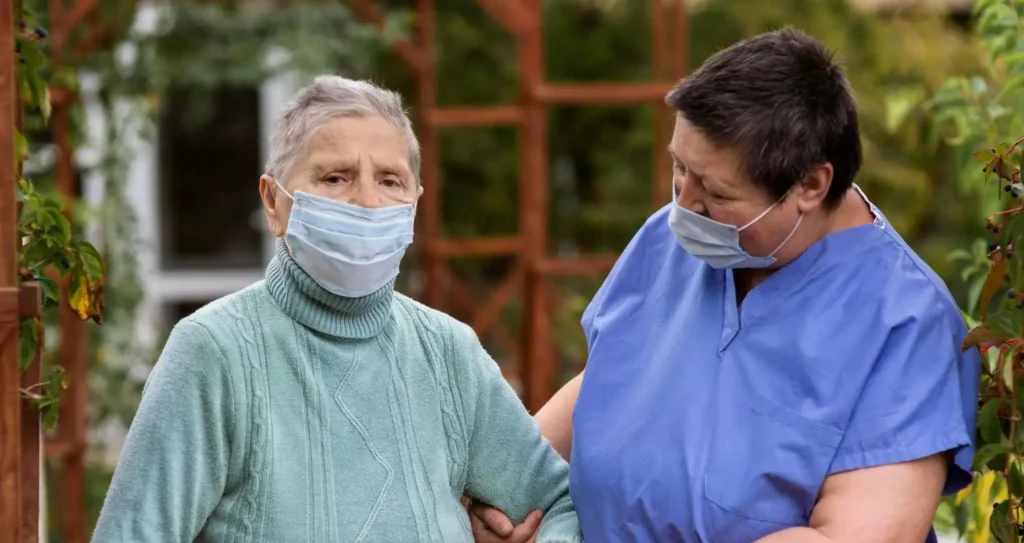

What is therapeutic recreation? It is the planned use of recreation and leisure activities to support a person’s physical, cognitive, emotional and social well-being. Think of a music group in a long-term care home, a gardening program in a rehabilitation unit, or a one-on-one card game with someone living with dementia. The activity is enjoyable, but it also has a purpose.
If you are considering a career in this field, the job titles can be confusing. Activity aide, recreation aide, recreation therapy assistant, recreation therapist and therapeutic recreation specialist all appear in job postings and program pages. They are not the same role, and they do not require the same training.
This guide explains what therapeutic recreation is, how the main roles differ in British Columbia, what each one asks of you, and how to choose a training path that matches the job you want.
What Is Therapeutic Recreation, and How Does It Help?
Therapeutic recreation uses leisure as a tool. Instead of treating recreation as free time, practitioners choose and adapt activities so that taking part helps a person keep or build abilities.
The British Columbia Therapeutic Recreation Association (BCTRA) describes the field as supporting improvements in functional abilities, skill development, confidence and social connection through meaningful leisure experiences.
In practice, that can look like:
- Physical: chair exercise, walking groups, adapted sports or gardening that support movement and strength.
- Cognitive: trivia, reminiscence sessions, puzzles and games that encourage memory and attention.
- Emotional: music, art and creative programs that give people a way to express themselves.
- Social: group outings, celebrations and clubs that reduce isolation and build connection.
The person comes first. A good program starts with what someone enjoyed before, what they can do now, and what they want to keep doing. A former gardener might lead a seed-starting group. A retired musician might help choose songs for a sing-along.
Therapeutic recreation vs regular recreation
A community center fitness class is recreation. It becomes therapeutic recreation when the activity is chosen or adapted for a specific person or group, with a clear goal in mind, and when staff watch how people respond and adjust.
That purpose is why the field has its own roles, standards and professional associations.
Therapeutic Recreation Roles in BC: Who Does What?
Most confusion about therapeutic recreation careers comes from job titles. In BC, the field roughly falls into three levels. Each one has a different scope, different training and different expectations from employers and professional bodies.
| Role | What the role focuses on | Typical training expectation in BC |
|---|---|---|
| Activity aide / recreation aide / activity assistant | Leading and supporting day-to-day recreation programs, often in seniors’ care and community settings | Set by each employer; certificate programs are one common route |
| Recreation Therapy Assistant (RecTA) | Delivering interventions planned by a Recreation Therapist, under their supervision | BCTRA expects a two-year, 60-credit diploma in Therapeutic Recreation |
| Recreation Therapist (RecT) | Assessment, goal-setting, treatment planning and evaluating outcomes | BCTRA endorses the CTRS® credential as the minimum entry-to-practice qualification |
Sources: BCTRA Recreation Therapy Assistant Pathway and BCTRA Recreation Therapist Pathway, retrieved 2026-10-26.
Activity aide, recreation aide and activity assistant
These are the entry-level titles you will see most often in long-term care homes, assisted living residences, adult day programs and community organizations. Staff in these roles typically:
- Set up and lead group activities such as music, crafts, games, exercise and social events.
- Spend one-on-one time with residents or clients who can’t join groups.
- Adapt activities for people with physical limitations or cognitive changes, including dementia.
- Encourage participation and notice when someone seems withdrawn, unwell or upset.
- Report observations to the care team and keep simple participation records.
Each employer sets its own hiring requirements for these roles. Many look for a relevant certificate, first aid training and experience working with older adults.
What Is a Therapeutic Recreation Specialist?
Searches for “therapeutic recreation specialist” have grown sharply over the past year. The term usually refers to the Certified Therapeutic Recreation Specialist® (CTRS®) credential.
The CTRS is issued by the National Council for Therapeutic Recreation Certification® (NCTRC®), a US-based credentialing body. According to NCTRC, candidates must meet specific education and professional experience requirements and pass the NCTRC certification exam.
Here is what that means for you:
- CTRS is a professional credential, not a course. You can’t earn it by completing a short certificate.
- It is aimed at Recreation Therapists. BCTRA treats it as the entry standard for the RecT role in BC.
- Check eligibility directly with NCTRC before choosing a program if CTRS is your goal.

Therapeutic Recreation Certification: What Do the Words Mean?
“Certification” gets used in several ways, which adds to the confusion. Before you enroll anywhere, check which of these a program actually offers:
- A program credential. A certificate or diploma issued by the college when you complete the program.
- Short certifications included in a program. For example, first aid, food safety or violence prevention training.
- Professional certification. A credential from an outside body, such as the CTRS, that has its own requirements and exam.
- Association membership. Professional associations such as BCTRA set their own membership categories and expectations.
A program credential doesn’t automatically lead to professional certification or association membership. If a specific credential matters for the job you want, confirm the requirements with the organization that issues it.
Rules and associations also differ by province. If you plan to work outside BC, check the expectations of the association in that province.

Therapeutic Recreation Jobs: Where Do People Work?
Therapeutic recreation staff work wherever recreation can support health and quality of life. BCTRA lists hospitals, long-term care, assisted living, rehabilitation centers, community mental health and substance use teams, and community recreation settings.
Entry-level activity and recreation staff are most often found in:
- Long-term care homes
- Assisted living and independent living residences
- Adult day programs
- Community and seniors’ centers
- Group homes and disability support organizations
- Hospice and palliative care programs
The setting shapes the job. In a long-term care home, you might plan a monthly calendar, run daily groups and spend time with residents living with dementia. In an adult day program, you might support people who live at home and attend a few days a week.
Which roles you can apply for depends on your training. Some positions, especially those titled Recreation Therapy Assistant or Recreation Therapist, may ask for a diploma, degree or professional credential. Read each posting’s requirements carefully.
Is a Therapeutic Recreation Career Right for You?
People who do well in this field usually share a few traits:
- Patience and warmth. Progress can be slow, and some days a person won’t want to join in.
- Creativity. You will adapt activities on the spot when something isn’t working.
- Clear communication. You will speak with residents, families and the care team.
- Observation. Small changes in mood or participation can matter, and you’ll need to report them.
- Comfort with older adults and people with disabilities. Much of the work is in seniors’ care.
- Energy for leading groups. You’ll often be the person who gets the room going.
It also helps to be honest about the practical side. Many roles involve evening, weekend or part-time shifts, physical tasks like moving equipment, and work with people who are frail or unwell.
Therapeutic Recreation Programs: Choosing Your Training Path
The right program depends on the role you are aiming for. Use the job you want as your starting point, then work backward.
| If your goal is… | Look at… | Questions to ask before you enrol |
|---|---|---|
| Entry-level activity or recreation aide work | A certificate focused on recreation programming and older adults | Does it include a supervised practicum? Which job titles does it prepare you for? |
| Recreation Therapy Assistant (RecTA) in BC | A two-year, 60-credit diploma in Therapeutic Recreation | Does BCTRA consider it to meet entry-to-practice expectations? |
| Recreation Therapist or CTRS | A degree aligned with NCTRC eligibility | Does the coursework meet current NCTRC requirements? |
Some people start with a certificate to get into the field, then decide later whether to pursue a diploma or degree.
When comparing programs, check:
- The exact credential you will receive.
- Program length and hours, including practicum.
- Delivery format and where the practicum takes place.
- Regulatory approval. In BC, private training institutions are regulated by the Private Training Institutions Regulatory Unit (PTIRU).
- Included certifications, such as first aid.
- Total cost and the funding options you may be eligible for.

Where Edison’s Therapeutic Recreation Activity Assistant Certificate Fits
Edison College’s Therapeutic Recreation Activity Assistant certificate is an entry-level program. It prepares students to plan and lead supervised recreation and social activities, mainly with older adults who have cognitive and physical impairments.
According to the program page:
- Length: 20 weeks / 372 hours of theory, plus a 3-week / 90-hour supervised practicum.
- Approval: the program is approved by PTIRU.
- Courses: Interpersonal Communication, Person-Centered Care, Introduction to Practice, Practical Approach to Dementia, Lifestyle and Leisure Education, Certifications, and Career and Employment Strategies, plus an unpaid practicum.
- Included certifications: FoodSafe Level 1, Standard First Aid with CPR Level C, and the Provincial Violence Prevention Certificate.
The program prepares students for entry-level roles such as activity aide, recreation aide and activity assistant. It is not a Recreation Therapy Assistant diploma, and it does not lead to the CTRS credential. If your long-term goal is to become a Recreation Therapist, plan for further study.
Check the program page for current delivery options, tuition, intake dates and admission requirements. You can also read answers to common questions about the certificate or learn why Edison marks Therapeutic Recreation Awareness Month.
Therapeutic recreation uses leisure as a tool. Instead of treating recreation as free time, practitioners choose and adapt activities so that taking part helps a person keep or build abilities.
The British Columbia Therapeutic Recreation Association (BCTRA) describes the field as supporting improvements in functional abilities, skill development, confidence and social connection through meaningful leisure experiences.
In practice, that can look like:
- Physical: chair exercise, walking groups, adapted sports or gardening that support movement and strength.
- Cognitive: trivia, reminiscence sessions, puzzles and games that encourage memory and attention.
- Emotional: music, art and creative programs that give people a way to express themselves.
- Social: group outings, celebrations and clubs that reduce isolation and build connection.
The person comes first. A good program starts with what someone enjoyed before, what they can do now, and what they want to keep doing. A former gardener might lead a seed-starting group. A retired musician might help choose songs for a sing-along.
Take the Next Step
Therapeutic recreation suits people who want to bring purpose, connection and enjoyment into others’ daily lives. Start by deciding which role you are aiming for, then choose the training that matches it.
If entry-level activity and recreation work is your starting point, explore Edison’s Therapeutic Recreation Activity Assistant certificate and request the program information kit.
Frequently Asked Questions
What is therapeutic recreation in simple terms?
It is the purposeful use of recreation and leisure activities to support a person’s physical, cognitive, emotional and social well-being. Activities are chosen or adapted to fit each person’s abilities and interests.
Is a recreation aide the same as a recreation therapist?
No. Recreation aides and activity assistants lead and support day-to-day programs. Recreation Therapists assess clients, set goals, plan interventions and evaluate outcomes. In BC, BCTRA expects Recreation Therapists to hold the CTRS® credential.
What is a therapeutic recreation specialist?
It usually refers to a Certified Therapeutic Recreation Specialist® (CTRS®), a professional credential issued by NCTRC. Candidates must meet education and experience requirements and pass an exam.
What training do I need for therapeutic recreation jobs in BC?
It depends on the role. Entry-level aide roles are set by each employer, and certificate programs are one route. BCTRA expects a two-year diploma for Recreation Therapy Assistants and the CTRS credential for Recreation Therapists.
Does a therapeutic recreation certificate lead to certification?
A college certificate is a program credential. It is not the same as professional certification such as the CTRS. Some certificates include short certifications, such as first aid, as part of the program.
Which therapeutic recreation programs are offered in BC?
BC options include certificate programs at private training institutions, such as Edison College’s Therapeutic Recreation Activity Assistant certificate.